
Estela
Tackling menstrual poverty. Promoting and supporting period dignity.
In Venezuela, the deteriorated hygiene conditions, particularly menstrual hygiene, affect women and girls, risking their health and wellbeing. The majority suffer from period poverty: they don’t have enough resources to buy menstrual products; they use ‘old clothes’, ‘egg cartons’, ‘bags’, ‘toilet paper’, ‘plants’; they suffer from infections, stop going to school or work; they shut themselves at home, afraid and ashamed.
Period poverty limits these women and girls, increasing gender inequalities.
“My family is very poor, there’s not enough for pads”, “anything we have is for food” “Once I had it go through to my school seat and I didn’t want to get up; now I don’t go to school when I have my period” “I’ve had stains in high school, I feel so afraid and ashamed – those days I don’t go to class”
Menstruation is still a taboo, with strongly negative connotations, that limits women and makes them feel dirty.
“When I’m on my period my dad says I should stay in my room because it is disgusting” “periods are an illness” “during our period we shouldn’t wash our hair, as it could cause a stroke”
Worried about the situation and looking to provide an answer, we created the Estela project, a menstrual health project that works with girls and women to help them live through their periods with dignity. Estela fights for the rights of girls and women, particularly in terms of health and dignity of life, to promote their opportunities in life.
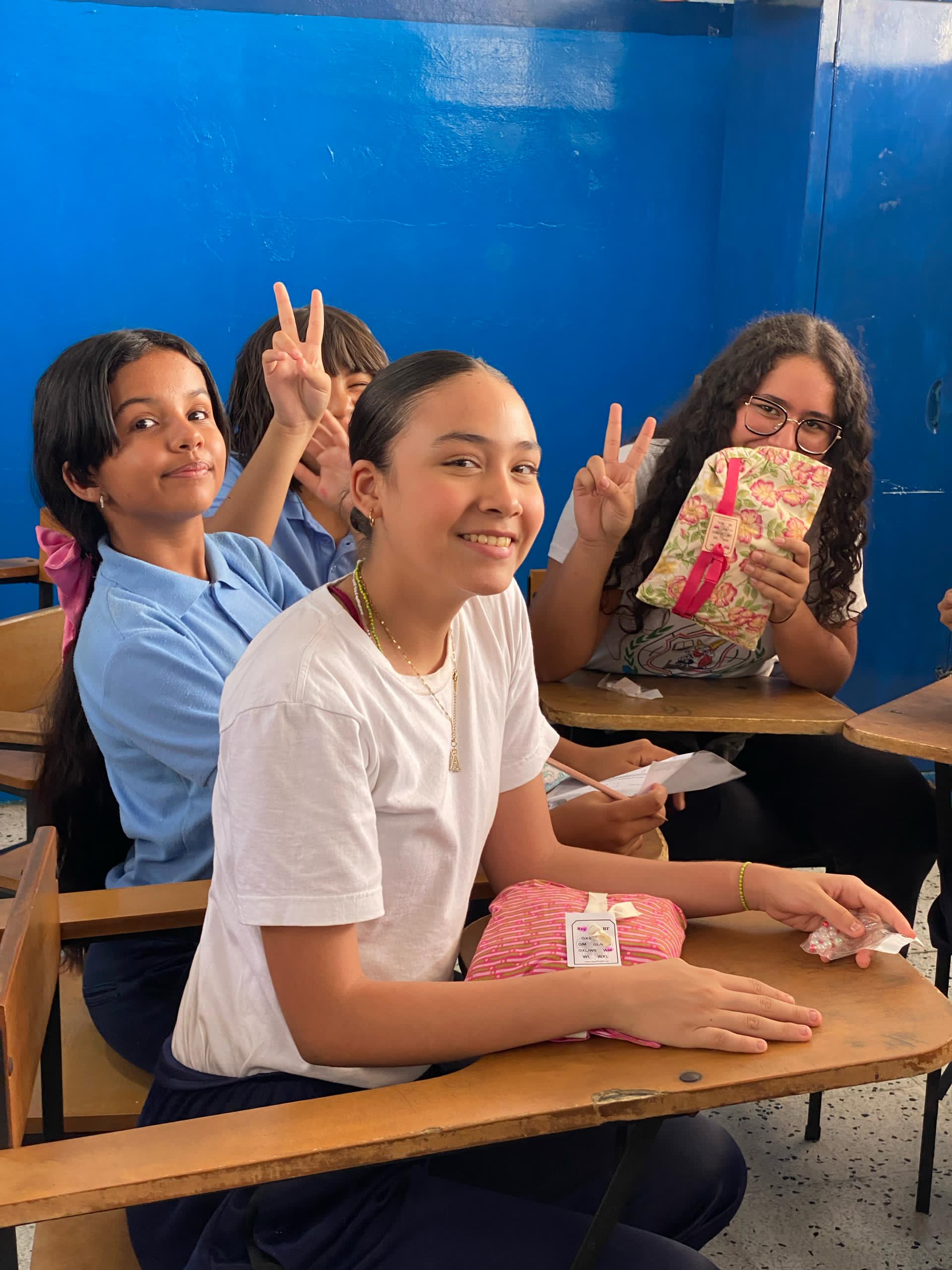
Estela Workshops
In a safe environment, workshops are delivered across the country, where experiences, ideas and information are shared; menstruation is recognised as a natural process for girls and women; how each of them lives through it is spoken of freely; myths and false beliefs are discussed; key aspects of good menstrual hygiene are highlighted. Reusable menstrual pad kits distributed. Over 14,000 women and girls have taken part in workshops delivered in 12 states around the country, receiving a dignity kit.
“I learnt so many things I didn’t know. I thought, for example, that menstruation was something dirty and I stayed in my room because I thought it smelled bad. Now I know it is something normal and healthy.”
Partnerships to tackle menstrual poverty
Since the start of the project, we’ve had support from so many people, especially sensitive women from all over, who provide funds to support the menstrual health of women and girls. BASTION have supported this work since the start and since 2022 we have worked in partnership with Days for Girls, an NGO that since 2008 works to provide education and menstrual health products for women and girls around the world. Collaborative work achieves so much more, and these partnerships have allowed us to significantly increase our reach in tackling menstrual poverty.
Otras noticias